


• About
  • FAQ
  • Landing Page
Newsletter
Crypto News
Advertisement
  • Home
    • Home – Layout 1
    • Home – Layout 2
    • Home – Layout 3
  • Bitcoin
  • Ethereum
  • Regulation
  • Market
  • Blockchain
  • Business
  • Guide
  • Contact Us
No Result
View All Result
  • Home
    • Home – Layout 1
    • Home – Layout 2
    • Home – Layout 3
  • Bitcoin
  • Ethereum
  • Regulation
  • Market
  • Blockchain
  • Business
  • Guide
  • Contact Us
No Result
View All Result
Crypto News
No Result
View All Result
Home Market

Coinbase Spent $1.07 Million on Washington Lobbying in Q1 2026 Focused on the CLARITY Act and Stablecoin Rules

admin by admin
April 21, 2026
in Market
0
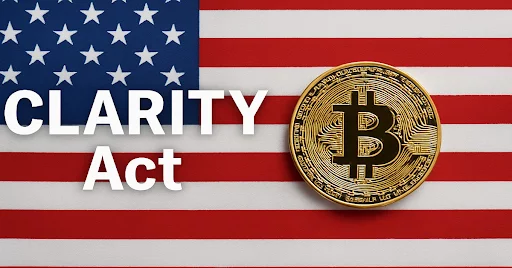
Coinbase Spent $1.07 Million on Washington Lobbying in Q1 2026 Focused on the CLARITY Act and Stablecoin Rules - 1
189
SHARES
1.5k
VIEWS
Share on FacebookShare on Twitter

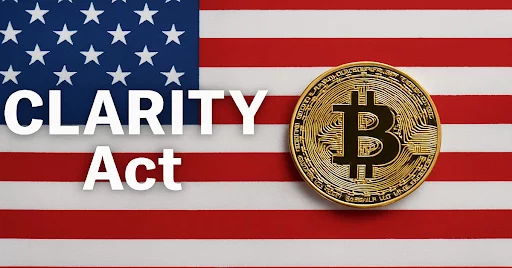
Coinbase Spent $1.07 Million on Washington Lobbying in Q1 2026 Focused on the CLARITY Act and Stablecoin Rules插图

Coinbase lobbying activity for Q1 2026 totaled $1.07 million, the company disclosed in a new Lobbying Disclosure Act filing, targeting the Digital Asset Market Clarity Act, the GENIUS Act stablecoin law, and digital asset tax treatment legislation.

Summary

  • The filing covers lobbying on the CLARITY Act’s market structure provisions, implementation of the GENIUS Act stablecoin law, and general crypto policy discussions across multiple congressional committees.
  • The Q1 spend comes after a turbulent period in Coinbase’s relationship with the CLARITY Act, which began with CEO Brian Armstrong withdrawing support hours before a January markup, followed by a reversal after a Treasury-brokered compromise on stablecoin yield.
  • Coinbase derives roughly one-fifth of its total revenue from stablecoin-related activity, making the terms of the CLARITY Act’s yield provisions a direct financial stake rather than a policy preference.

Coinbase lobbying in the first quarter of 2026 reached $1.07 million as the company pressed Congress on the two pieces of legislation most directly affecting its business model. The LDA filing lists multiple specific topics covered, including general discussions on digital asset tax treatment, market structure provisions of the CLARITY Act, and all provisions of the GENIUS Act stablecoin law signed into law as P.L. 119-27.

The filing provides a concrete dollar figure for Coinbase’s Washington engagement during one of the most consequential quarters in US crypto legislative history. The GENIUS Act passed and became law. The CLARITY Act stalled and restarted. Coinbase first killed and then revived its support for the market structure bill within the span of three months.

The company’s relationship with the CLARITY Act in Q1 2026 was the most consequential lobbying story in crypto. Armstrong posted opposition to the bill on X on January 14, hours before the Senate Banking Committee’s scheduled markup, causing the session to be postponed. The central objection was the bill’s treatment of stablecoin yield, which banking industry lobbyists had pushed to restrict.

What the Filing Covers and Why It Matters

The LDA disclosure lists the following subjects: general discussions on digital asset tax and digital asset tax treatment, provisions related to Title I and market structure of the CLARITY Act, all provisions of the GENIUS Act, general discussions on crypto policy and market structure, and discussions on implementing the GENIUS Act. That list covers the full legislative agenda facing the crypto industry in 2026.

The CLARITY Act remains the primary pending legislation. Its market structure provisions would formally define the regulatory division of authority between the SEC and CFTC over digital assets. For Coinbase, which operates the largest US crypto exchange and custody platform, those definitions affect every product it offers. The company’s subsequent reversal on the bill came after Treasury Secretary Scott Bessent published a Wall Street Journal op-ed advocating for a compromise framework on the stablecoin yield question that left room for activity-based rewards while restricting direct interest payments.

The Scale of Coinbase’s Financial Stake

Coinbase reported $355 million in stablecoin-related revenue in Q3 2025. The company derives approximately one-fifth of its total revenue from stablecoin activity, primarily through interest earned on USDC reserves and rewards paid to users. How the CLARITY Act defines permissible stablecoin yield programs determines whether that revenue stream survives in its current form or must be restructured.

The company’s Agentic Market launch on Monday, which routes AI agent transactions through USDC over the x402 protocol, adds a second dimension to its USDC stake. If stablecoin transaction volume from AI agents grows as Armstrong has predicted, the regulatory treatment of USDC’s underlying economics becomes even more valuable to protect. $1.07 million in Q1 lobbying is a modest investment against that exposure.

How the Q1 Spend Compares to the Legislative Outcome

Armstrong reversed his CLARITY Act opposition by March 2026, with Coinbase publicly stating it was “ready to do its part” to get the bill passed. The Q1 lobbying period therefore captures both the opposition and the reversal, along with continued engagement on implementation of the GENIUS Act that was already law. For a company with Coinbase’s revenue base, $1.07 million in quarterly lobbying is a standard operating cost for an industry participant with direct exposure to pending federal legislation. What distinguishes Coinbase’s Q1 from previous quarters is that the legislation being lobbied on was active, consequential, and moving during the period covered.

News,Coinbase,Cryptocurrency,Stablecoin#Coinbase #Spent #Million #Washington #Lobbying #Focused #CLARITY #Act #Stablecoin #Rules1776812463


Related articles

What is an event contract? The yes/no trade, explained

What is an event contract? The yes/no trade, explained

July 27, 2026
JPMorgan, HSBC join Hong Kong tokenized bond working group - 1

What is a DCM? The license behind prediction markets

July 27, 2026
Tags: ActCLARITYCoinbasefocusedLobbyingmillionRulesSpentStablecoinWashington
Share76Tweet47

Related Posts

What is an event contract? The yes/no trade, explained

What is an event contract? The yes/no trade, explained

by admin
July 27, 2026
0

A contract that pays one dollar if something happens and nothing if it does not is the simplest instrument in...

JPMorgan, HSBC join Hong Kong tokenized bond working group - 1

What is a DCM? The license behind prediction markets

by admin
July 27, 2026
0

Every legal event contract in America is listed by a designated contract market, a federal exchange license created for grain...

Do prediction market odds equal probability? Not quite

Do prediction market odds equal probability? Not quite

by admin
July 27, 2026
0

A US exchange can list a new prediction market by filing a form saying the contract complies with the law,...

How event contracts get listed: Self-certification

How event contracts get listed: Self-certification

by admin
July 27, 2026
0

A US exchange can list a new prediction market by filing a form saying the contract complies with the law,...

Japan crypto leverage: Why is Japan considering higher crypto leverage limits? - 1

Japan crypto leverage: Why is Japan considering higher crypto leverage limits?

by admin
July 27, 2026
0

Japan has moved closer to easing its cryptocurrency leverage trading rules after a senior ruling party lawmaker said the current...

Load More
  • Trending
  • Comments
  • Latest
Rain raises $250m series C to expand stablecoin payments infrastructure - 1

Rain raises $250m series C to expand stablecoin payments infrastructure

January 10, 2026
US Commodities Regulator Beefs Up Bitcoin Futures Review缩略图

US Commodities Regulator Beefs Up Bitcoin Futures Review

January 16, 2023
What is the Difference Between Public and Permissioned Blockchains?缩略图

What is the Difference Between Public and Permissioned Blockchains?

December 28, 2022
Elon Musk Offers to Buy 100% of Twitter, Calls it ‘Best and Final Offer’

Elon Musk Offers to Buy 100% of Twitter, Calls it ‘Best and Final Offer’

March 4, 2023
US Commodities Regulator Beefs Up Bitcoin Futures Review缩略图

US Commodities Regulator Beefs Up Bitcoin Futures Review

0
Bitcoin Hits 2018 Low as Concerns Mount on Regulation, Viability缩略图

Bitcoin Hits 2018 Low as Concerns Mount on Regulation, Viability

0
India: Bitcoin Prices Drop As Media Misinterprets Gov’s Regulation Speech缩略图

India: Bitcoin Prices Drop As Media Misinterprets Gov’s Regulation Speech

0
Bitcoin’s Main Rival Ethereum Hits A Fresh Record High: $425.55缩略图

Bitcoin’s Main Rival Ethereum Hits A Fresh Record High: $425.55

0
What is an event contract? The yes/no trade, explained

What is an event contract? The yes/no trade, explained

July 27, 2026
JPMorgan, HSBC join Hong Kong tokenized bond working group - 1

What is a DCM? The license behind prediction markets

July 27, 2026
strategy ms

Saylor Teases Strategy’s Next Bitcoin Move With Cryptic ‘New Color’ Post

July 27, 2026
Do prediction market odds equal probability? Not quite

Do prediction market odds equal probability? Not quite

July 27, 2026
Crypto News

We bring you the best Premium WordPress Themes that perfect for news, magazine, personal blog, etc. Check our landing page for details.

Categories tes

  • Bitcoin
  • Blockchain
  • Business
  • Ethereum
  • Guide
  • Market
  • Regulation
  • Ripple

Tags

Act Bitcoin BTC CLARITY Coinbase Crypto data DeFi ETF ETFs ETH Ethereum Eyes Faces hit hits Hyperliquid Iran key launch launches Market markets million Network Onchain prediction price Push rally Ripple risk Solana Stablecoin stock Strategy support targets Token tokenized trading Trump U.S Warns XRP

Newsletter

[mc4wp_form]

  • About
  • FAQ
  • Support Forum
  • Landing Page
  • Contact Us

© 2017 JNews - Crafted with love by Jegtheme.

No Result
View All Result
  • Contact Us
  • Homepages
  • Business
  • Guide

© 2018 JNews by Jegtheme.